
Cataracts and Your Eyes
Over time, the natural lens of the eye becomes cloudy, making it difficult to see. The clouding of the lens is called a cataract and is the leading cause of vision loss in people over age 55. The most effective way to treat your cataract is with surgery to remove and replace the clouded lens. Cataract surgery is one of the safest and most common procedures performed, with 3 million surgeries performed in the United States each year.
In general, there are two common techniques for cataract surgery used in the United States
Phacoemulsification Cataract Surgery
This is considered the standard form of cataract surgery. A special pointed knife, called a keratome, is used to cut into the eye. An ultrasound probe is then inserted into the eye, and ultrasonic energy is used to liquefy the cataract and suck it out using a vacuum. Through the same incision, the lens is then inserted into the eye.

Laser-Assisted Cataract Surgery
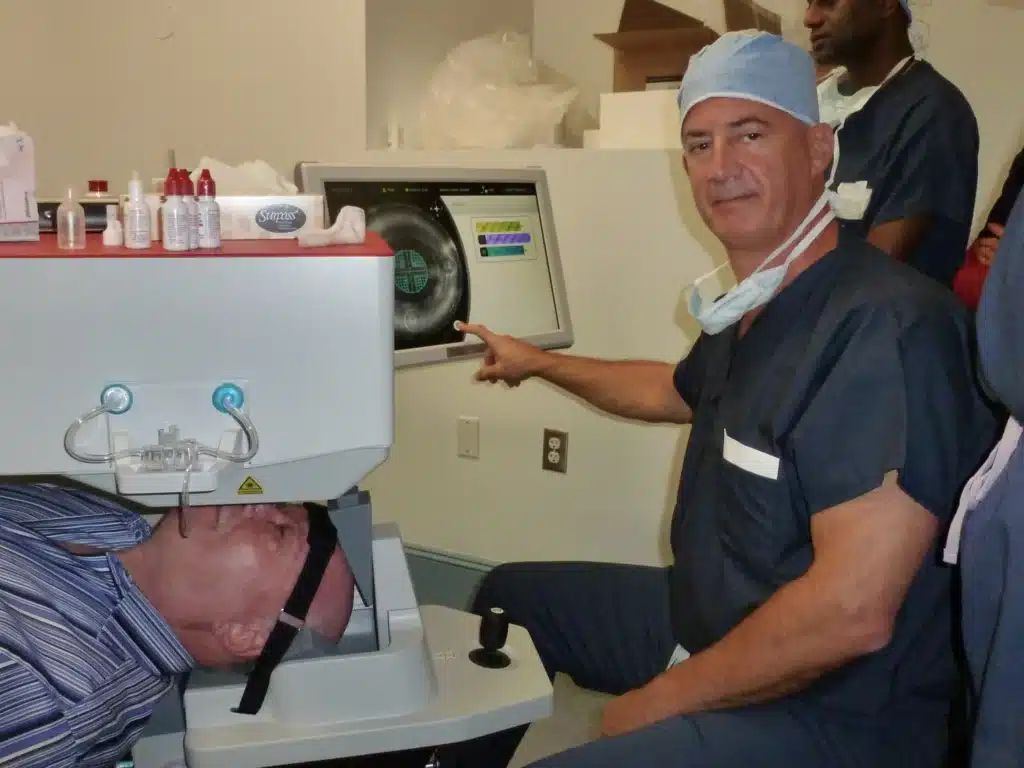
Laser & Corneal Surgery Associates is first in the New York City area to offer patients the new standard in precision cataract surgery with the CATALYS™ Precision Laser System. Using CATALYS, our surgeons can provide a gentle, highly customized cataract procedure with precision not achievable with traditional manual techniques. Drs. Mark Speaker and Jodi Abramson were pioneers in the development of lasers for cataract surgery.
We offer custom surgery with a laser cataract procedure that will best treat the unique aspects of each patient’s vision needs. Laser cataract surgery replaces hand-held blades with laser pulses and removes cataracts in a procedure that is gentler to the eye’s delicate tissues than a traditional phacoemulsification procedure, thereby offering improved precision and safety, as well as quicker recovery.
How does it work and what are the steps?
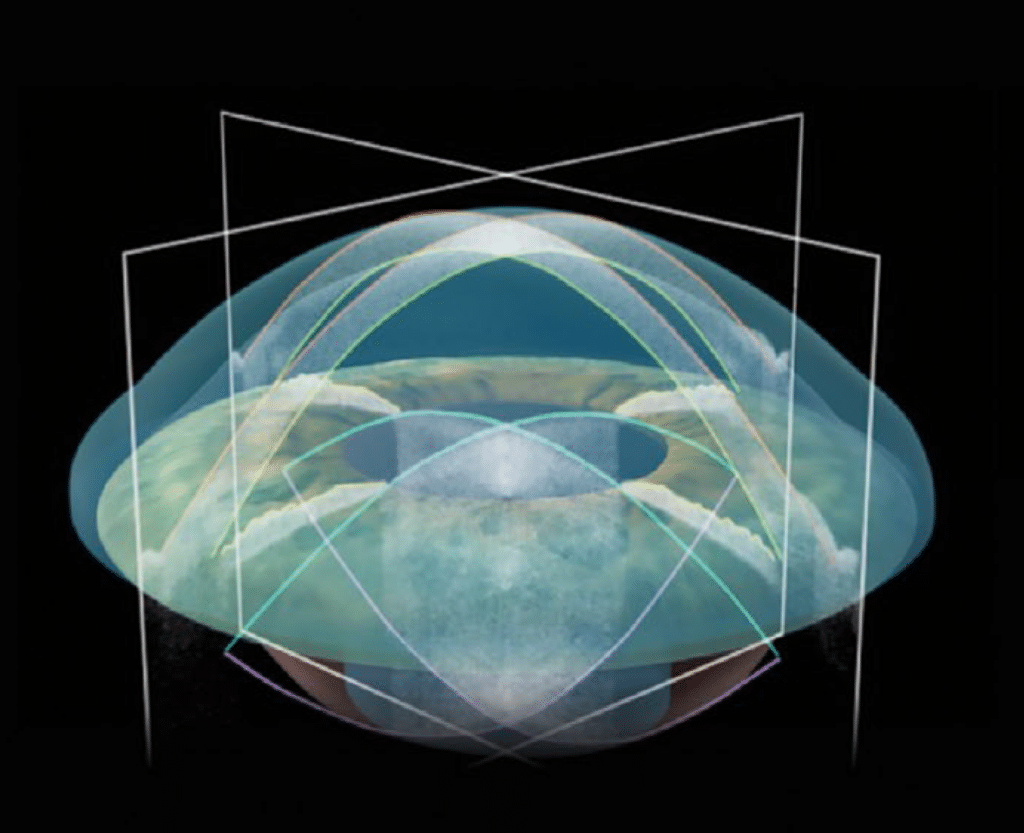
Every eye has a unique size and shape. CATALYS’ advanced 3D imaging technology builds a 3D map of each eye and tailors the treatment to that map. This enables Laser & Corneal Surgery Associates surgeons to create a customized treatment plan that matches the uniqueness of each eye.
Next, Laser & Corneal Surgery Associates surgeons use CATALYS to create a circular opening for accessing and removing the cataract. Clinical studies have shown that this opening is approximately 10 times more accurate when performed with CATALYS than what is achievable by hand. CATALYS then softens and breaks up the hard cataract into tiny pieces, allowing for gentler, easier cataract removal. These steps set the stage for positioning of the replacement lens.
What benefits does laser cataract surgery offer?
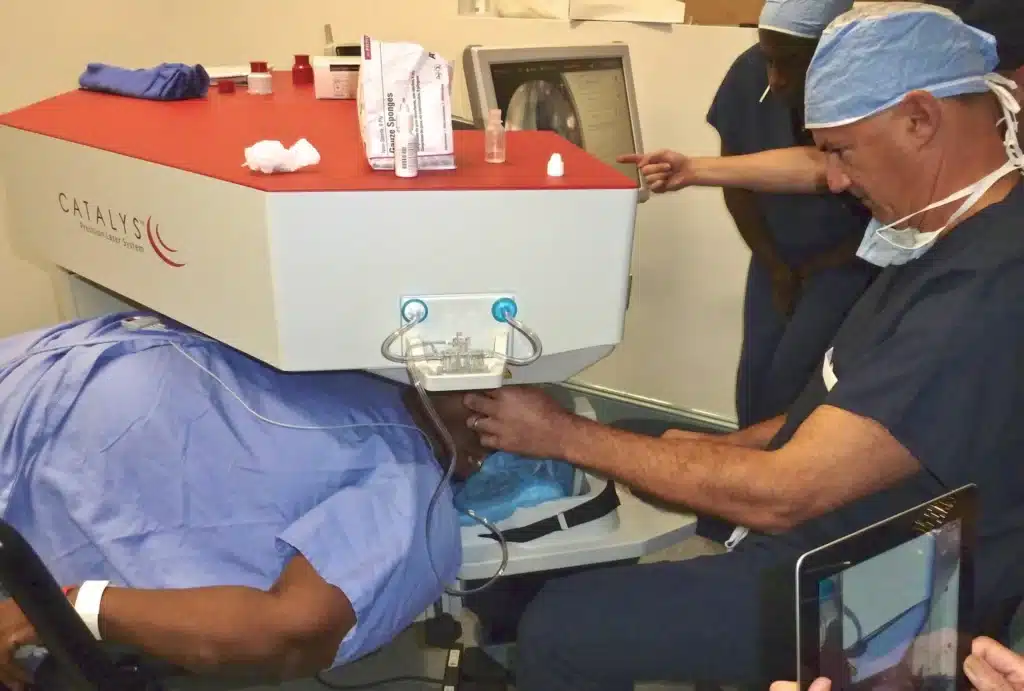
How is Laser-Assisted Cataract Surgery performed?
Every eye has a unique size and shape. CATALYS’ advanced 3D imaging technology builds a 3D map of each eye and tailors the treatment to that map. This enables Laser & Corneal Surgery Associates surgeons to create a customized treatment plan that matches the uniqueness of each eye.
Next, Laser & Corneal Surgery Associates surgeons use CATALYS to create a circular opening for accessing and removing the cataract. Clinical studies have shown that this opening is approximately 10 times more accurate when performed with CATALYS than what is achievable by hand. CATALYS then softens and breaks up the hard cataract into tiny pieces, allowing for gentler, easier cataract removal. These steps set the stage for positioning of the replacement lens.
According to a survey conducted by the American Society of Cataract and Refractive Surgery, more than 98% of cataract patients had their vision successfully improved after surgery. Many patients experience vision that is actually better than before they developed cataracts.
Once removed, cataracts will not grow back. However, some patients may experience clouding of a thin tissue called the capsule or”bag” that holds the IOL. In most cases, a laser is used to painlessly open the clouded capsule and restore clear vision.
Benefits of Femtosecond Laser-Assisted Cataract Surgery
This new treatment automates a number of the critical steps in the cataract surgery procedure. These steps, performed with hand-held blades, and ultrasound or phaco probes in the traditional procedure, are performed by a fast but gentle, extremely accurate, OCT-guided femtosecond laser. The steps of a cataract procedure and how they have been made safer and more precise by the Catalys laser are summarized below.
Important Elements of the Cataract Procedure
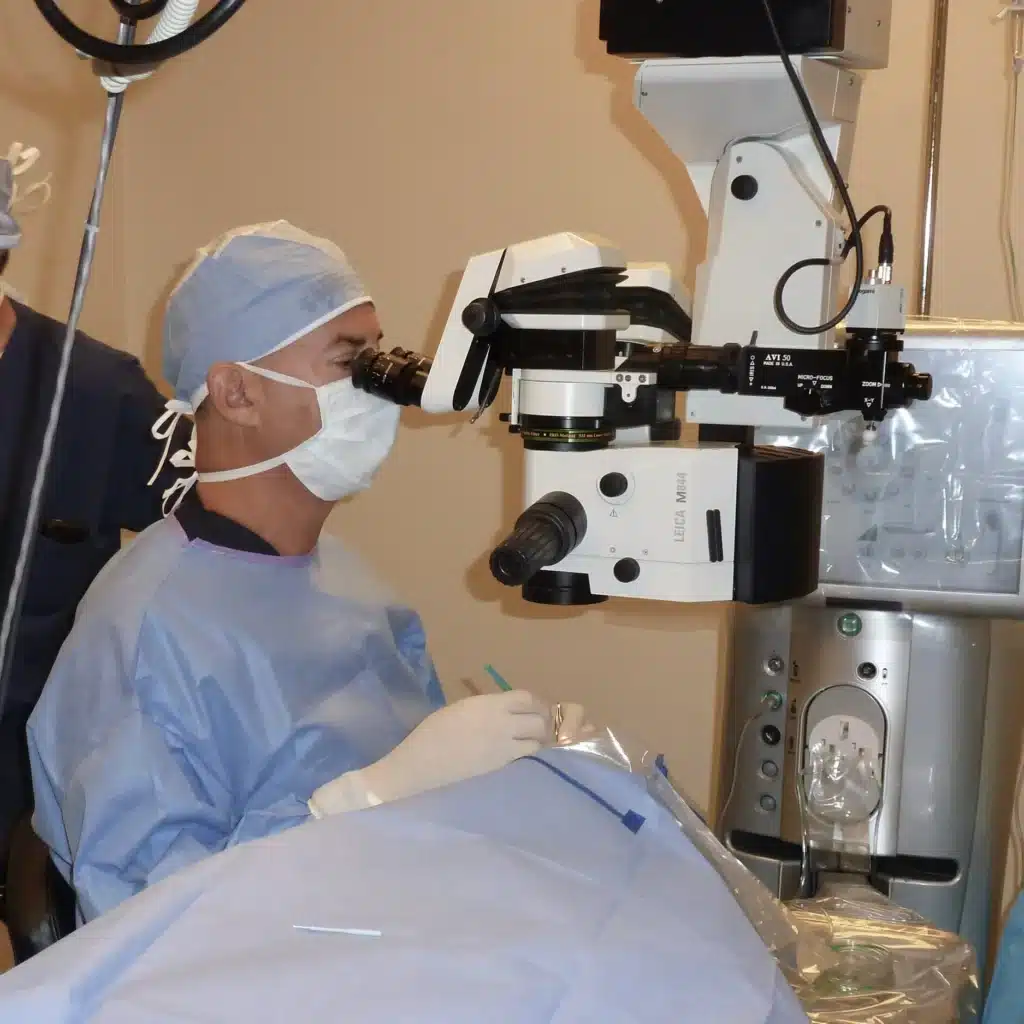
Which type of cataract surgery has a quicker recovery time?
The recovery time for both types of surgery is the same. Some people can see clearly almost immediately. Others may find their vision clears within a week or two. It takes about approximately 1 month to fully recover from cataract surgery.
Learn More about Laser Cataract Surgery
When it comes to advanced eye care, Laser & Corneal Surgery Associates has always been committed to providing the latest in technological advancement. The use of the femtosecond laser in cataract surgery is ushering in a new era of improved precision and safety, which promises better surgical outcomes for patients. Our surgeons are among the leaders in bringing advanced laser technology to refractive and cataract surgery, so you can rest assured knowing your eyesight is in the hands of some of the most experienced surgeons in the country. Find out the whether you are a candidate for this exciting vision correction technology.
ORA-Guided Advanced Cataract Surgery Optimized results.
Advanced Cataract Surgery
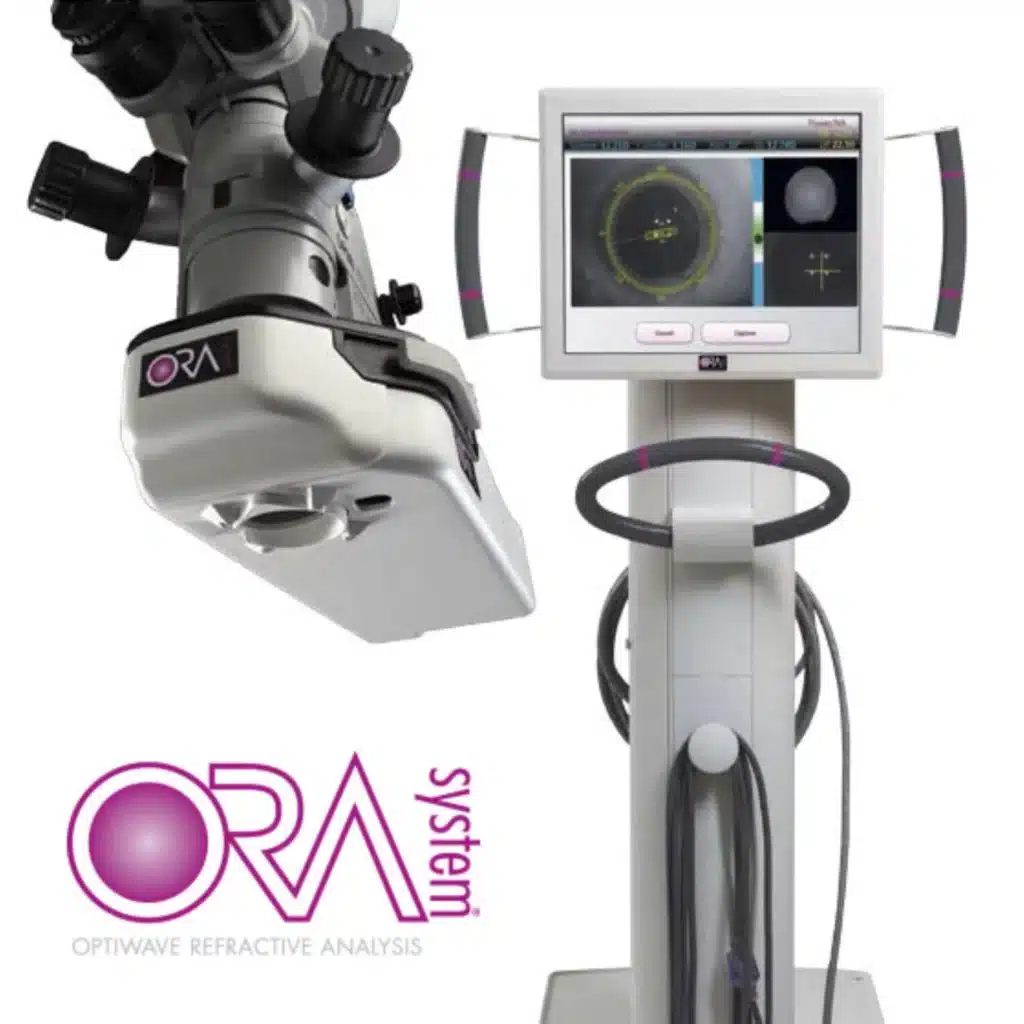
Cataract surgery used to be about preventing blindness; however, with today’s sophisticated cataract removal systems, premium intraocular lenses (IOLs), and guidance from the ORA Systems® your surgeon can return your vision to the way it was years ago.
How the ORA System Works
The ORA System guides your surgeon to help give you back your youthful vision by helping to ensure the IOL being used to replace your natural lens is perfectly selected and perfectly placed. This helps your surgeon give you a better visual outcome. ORA-guided cataract surgery also helps provide you tailored results. Now, during the procedure, your surgeon can take measurements of your eye using the ORA System and make any necessary adjustments to refine your visual outcome. It used to be that your surgeon needed to wait weeks after performing surgery to determine your vision results. Thanks to ORA, this is no longer the case. You and your physician will talk about advanced cataract technologies that can provide you with your personal best vision.
The ORA System in Cataract Surgery
No matter which advanced technology is recommended, the ORA System enhances your premium cataract surgery by giving your surgeon an on-demand analysis of your eye – something not possible with traditional cataract surgery. No matter what premium cataract procedure you and your surgeon decide upon, you can feel confident that by adding the ORA System, you’ll receive the best possible results. With the help of an ORA-guided procedure, you can jump back into life without vision limitations.
Posterior Capsular Opacity
A cause of cloudiness after cataract surgery.
Once removed, cataracts will not grow back. However, some patients may experience clouding of a thin tissue called the capsule or ”bag” that holds the IOL. This is referred to as a posterior capsular opacity. This may cause glare or a hazy fog-like effect on your vision.
In most cases, a laser is used to painlessly open the clouded capsule and restore clear vision.
This is not a surgery, and the laser procedure takes five minutes in the office. There is no incision made into the eye, and patients can resume normal activities right afterwards.
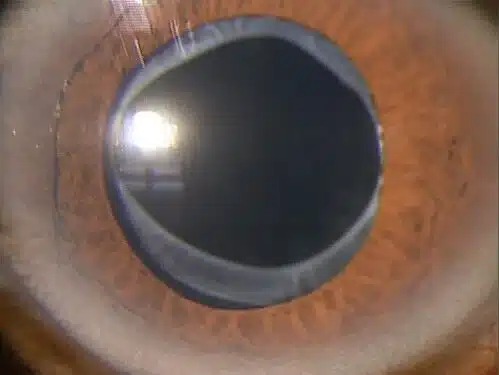
After cataract surgery, the capsular “bag” holding the lens is clear.
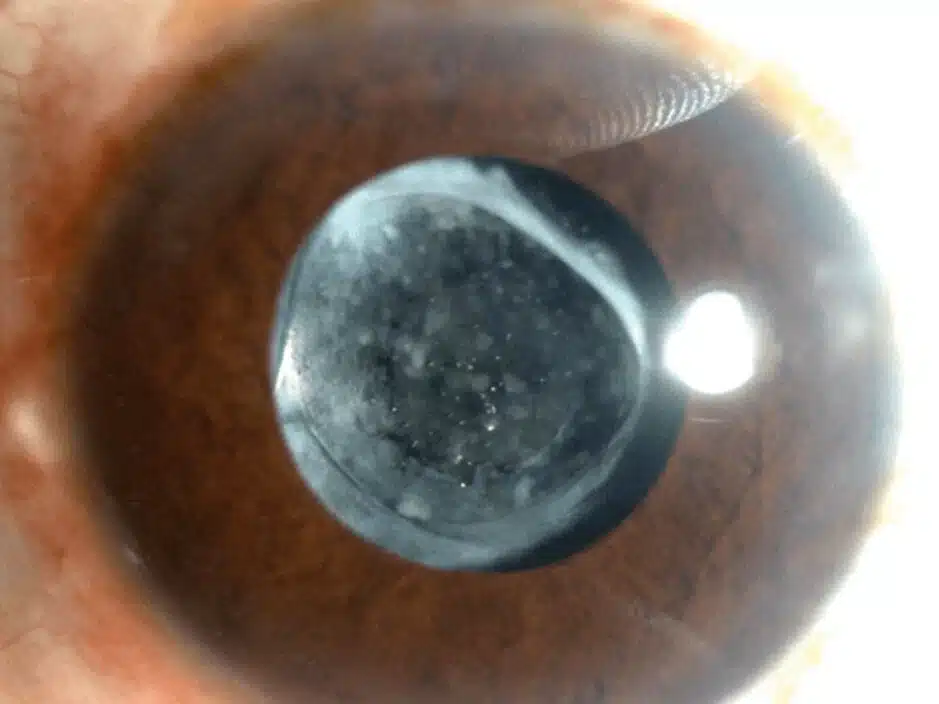
Months-to-years after cataract surgery, the capsular “bag” holding the lens may become cloudy/hazy due to the formation of scar material. This may cause glare or a hazy fog-like effect on your vision.
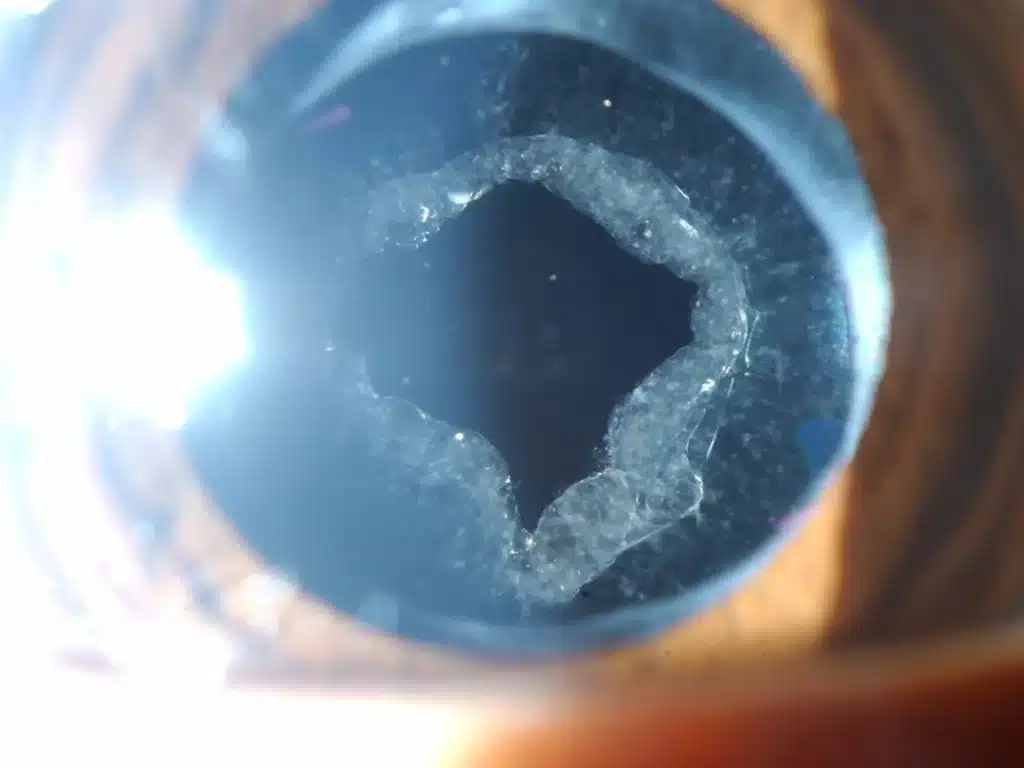
A laser in the office is used to polish off the back of the lens, removing the cloudy scar tissue along with the capsule upon which it grows. This procedure is called a YAG Capsulotomy; once performed it will never need to be repeated.